In modern conditions, each labor collective is a subject of the state's economic policy, and its potential largely determines the organization's efficiency.
Therefore, today it is extremely important to correctly shape intra-collective relations, create a favorable microclimate in the labor collective, and ideologically cultivate a sense of responsibility and discipline in each employee. Ideological work plays a special role in solving these tasks.
The main target of ideological work at an enterprise is to unite the labor collective to solve set tasks related to improving production quality and developing the enterprise's competitiveness. The competitiveness of an enterprise is manifested in its readiness to compete in the production and sale of products, mainly outside the Republic of Belarus. In this regard, the formation of a moral and psychological climate — a "healthy collective spirit" — in the labor collective becomes relevant.
An effective method of consolidating the labor collective to solve important production tasks can be considered the formation of the enterprise's corporate culture, whose main function is to instill in each employee labor discipline, loyalty to the enterprise, and confidence in achieving high results in work — the constant improvement of production quality. Corporate culture is a system of principles and behavioral norms that genuinely unites people at the enterprise with the goal of achieving high production competitiveness.
The main factors of production efficiency are discipline, responsibility and loyalty to the enterprise, and high professionalism of specialists.
Forming corporate culture at an enterprise contributes to increasing motivation for labor activity for each employee.
IN TURN, EACH MEMBER OF THE LABOR COLLECTIVE IS OBLIGED TO:
- perform their official duties at a high professional level;
- not commit actions or deeds that could negatively affect the enterprise's image;
- build relationships with colleagues based on cooperation and goodwill;
- care about the enterprise's image, never use the enterprise's reputation or its resources for personal gain.
Significant factors influencing the solution of production tasks are health protection and the creation of safe working conditions for each member of the labor collective, monitoring the health status of personnel, ensuring timely medical examinations, and strengthening the role of public inspectors in creating safe working conditions.
The most important means of strengthening workers' health is the organization of physical culture, health, and sports activities. This direction in the process of forming the corporate culture of the labor collective is a priority.
Overall, the corporate spirit will help make the collective manageable and mobile, ready to solve complex production tasks.
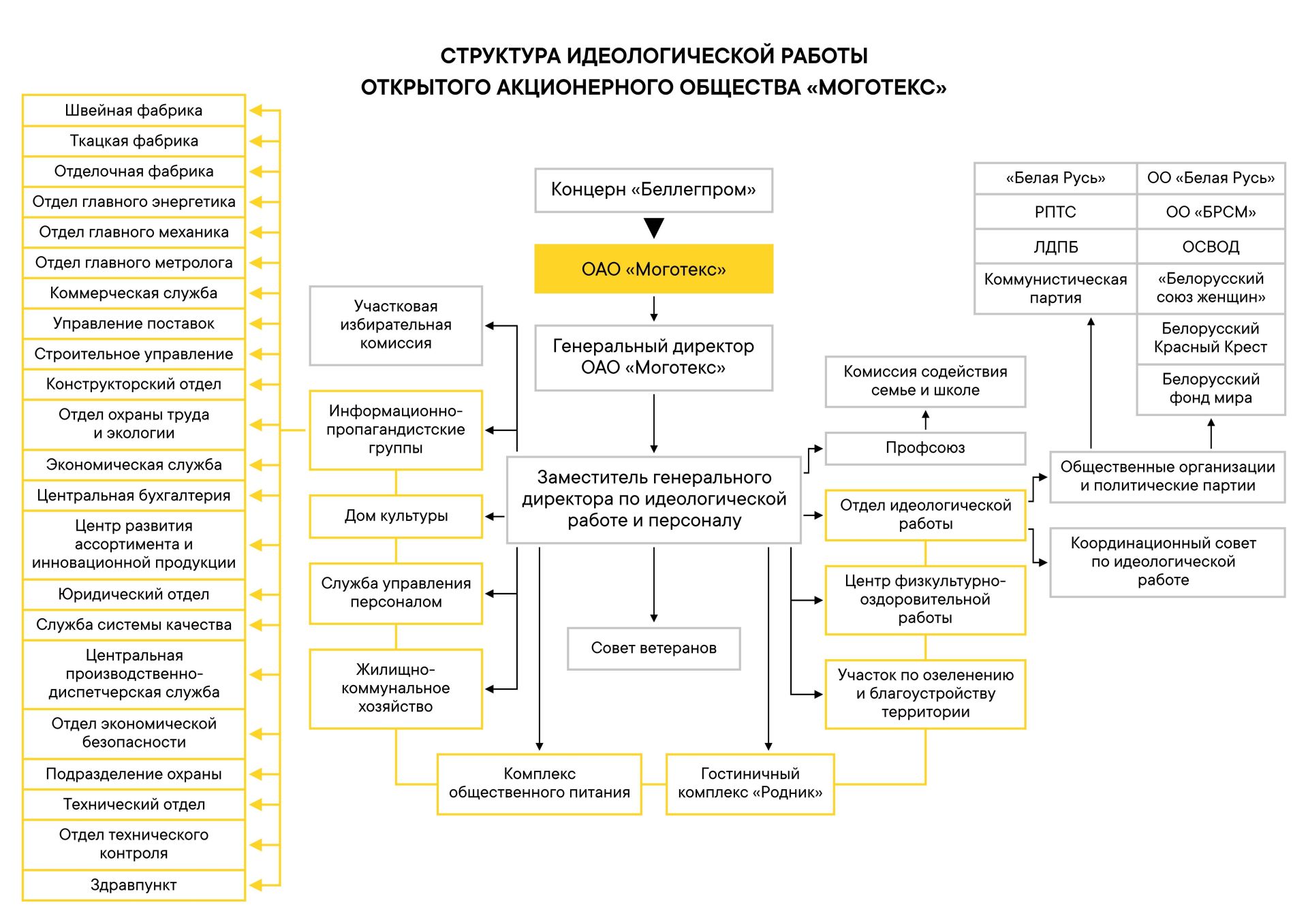
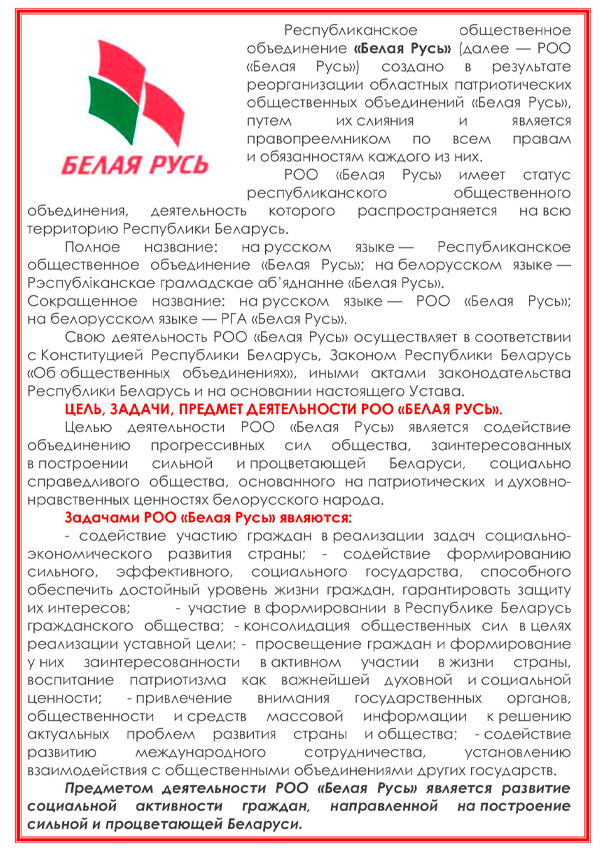
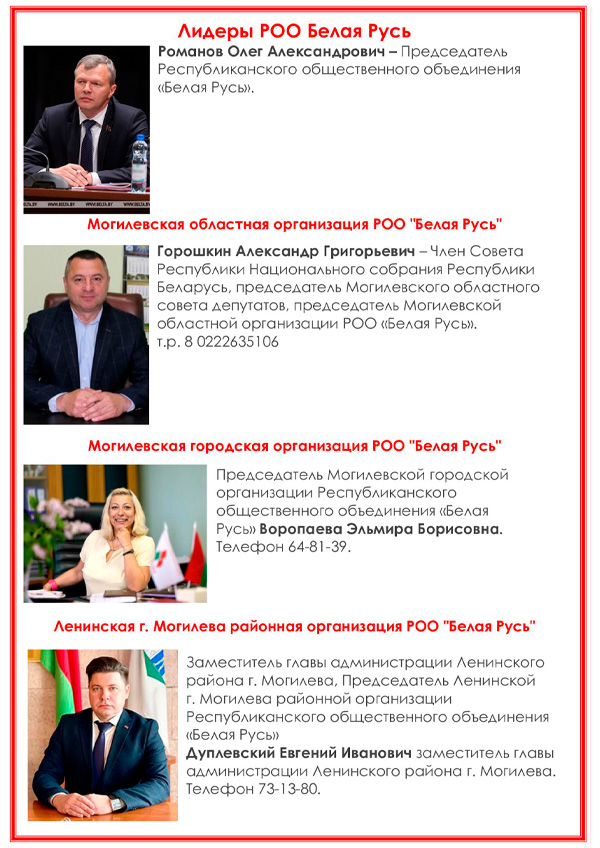


The Council of Veterans includes more than 1400 people.
The Council is active in public affairs and in 2024 was named the best in the city among enterprises and organizations.
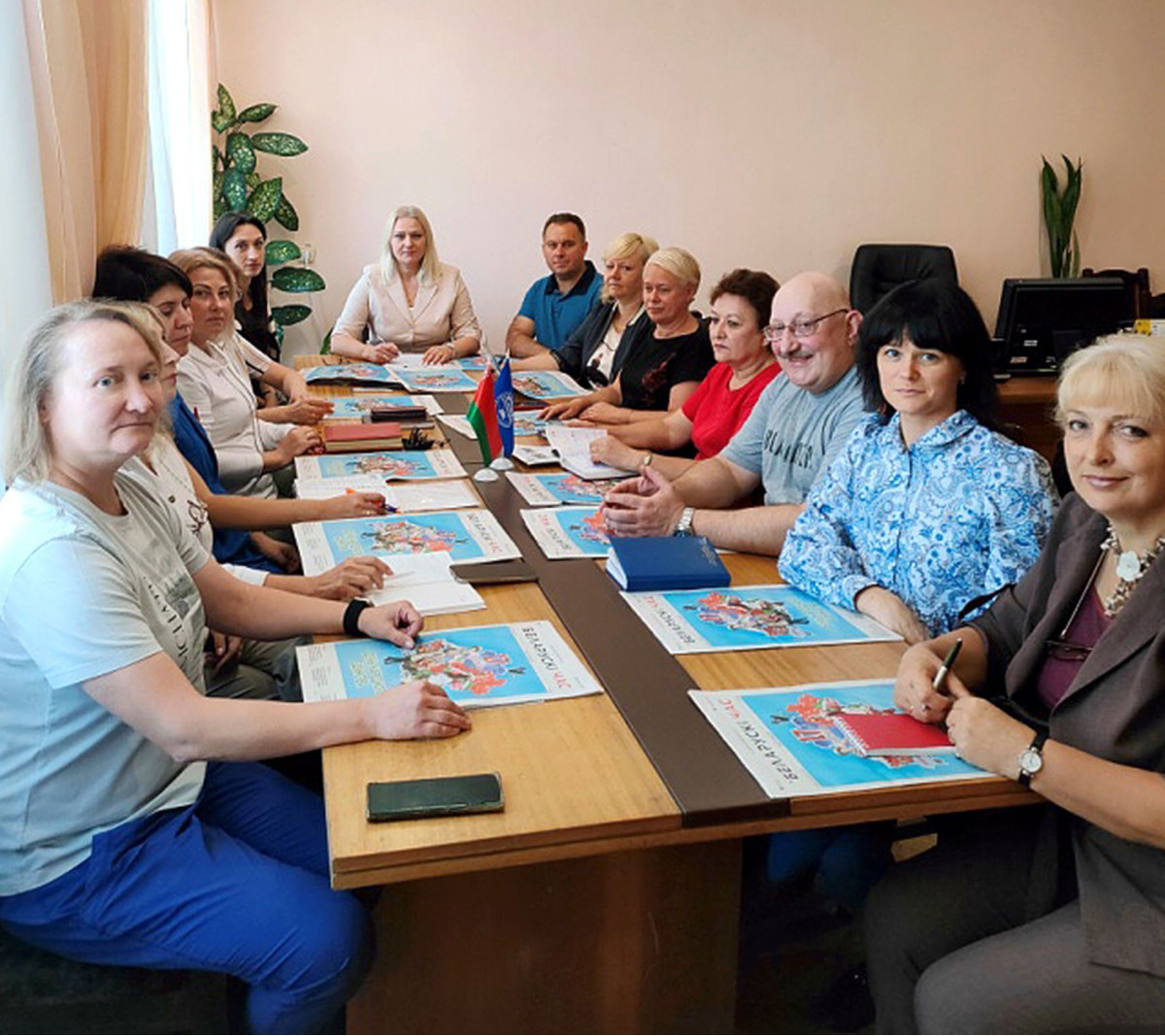

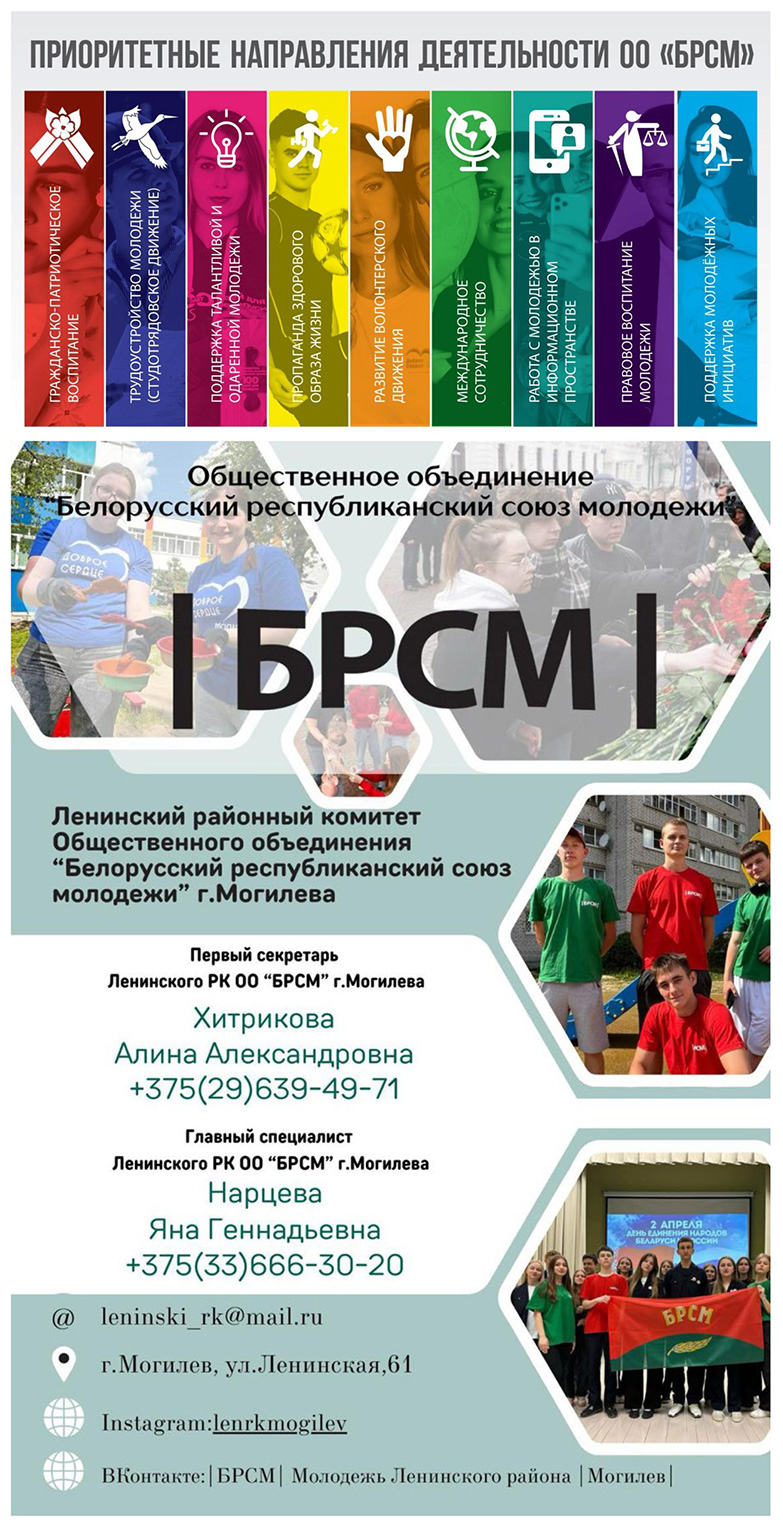
The state youth policy in the Republic of Belarus is a comprehensive system of legal, organizational-managerial, financial-economic, scientific, informational, and personnel measures aimed at creating conditions for successful socialization and effective self-realization, qualitative development of youth potential and its utilization in the interests of the country's innovative development.
The Law of the Republic of Belarus "On the Fundamentals of State Youth Policy" defines 9 key directions of youth policy that reflect the entire spectrum of youth life activities:
One of the priorities of the personnel policy at JSC "Mogotex" is the continuous attraction of young people to the enterprise.
Statistics: Currently, 2106 people work in the company. Of these, 342 people are under 31 years old, including 53 young specialists.
The main "personnel forge" for the enterprise's sewing factory is the educational institution "Mogilev State College of Service Sector", where most graduates are assigned to "Mogotex".
Creating conditions for the development and realization of the creative and cultural potential of youth, introducing new forms of work in organizing youth leisure, as well as improving the efficiency of the enterprise.
